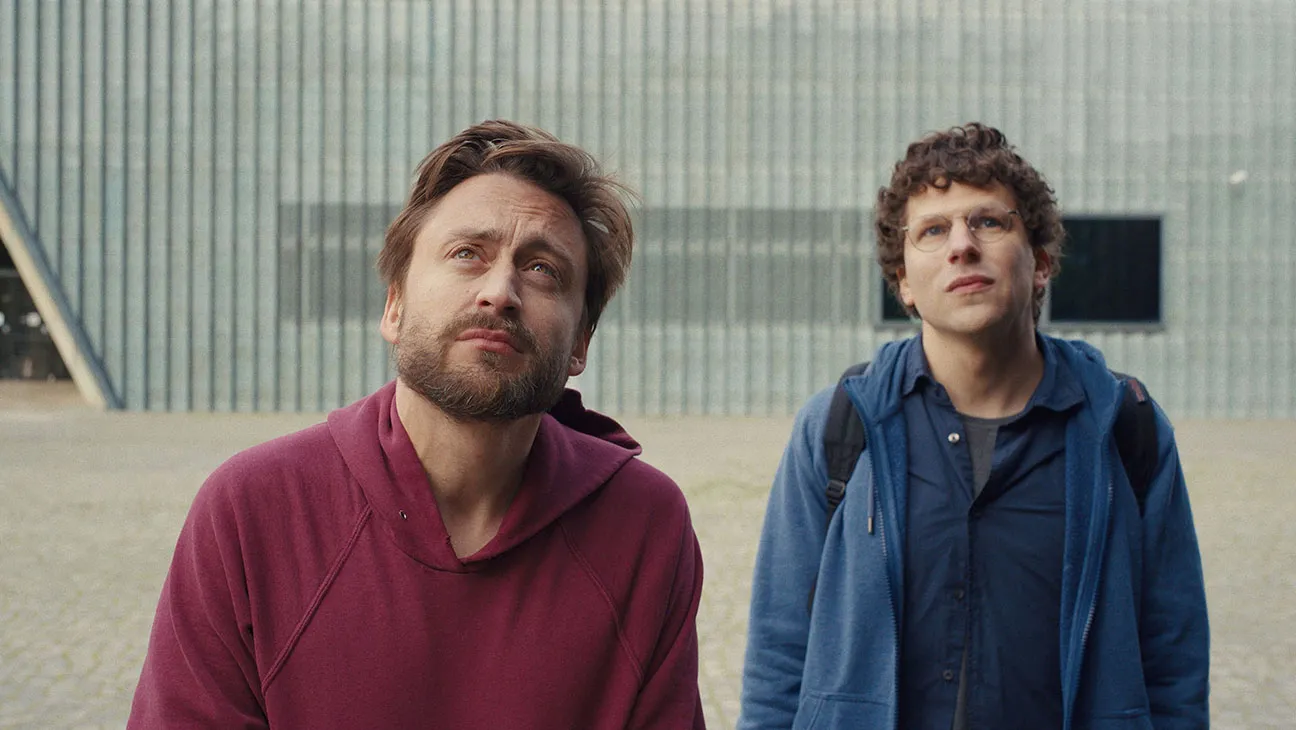
Equally funny and emotional, Jesse Eisenberg’s sophomore film, A Real Pain, tells a story about navigating familial relationships and how facing deeply rooted pain can be both traumatic and freeing.
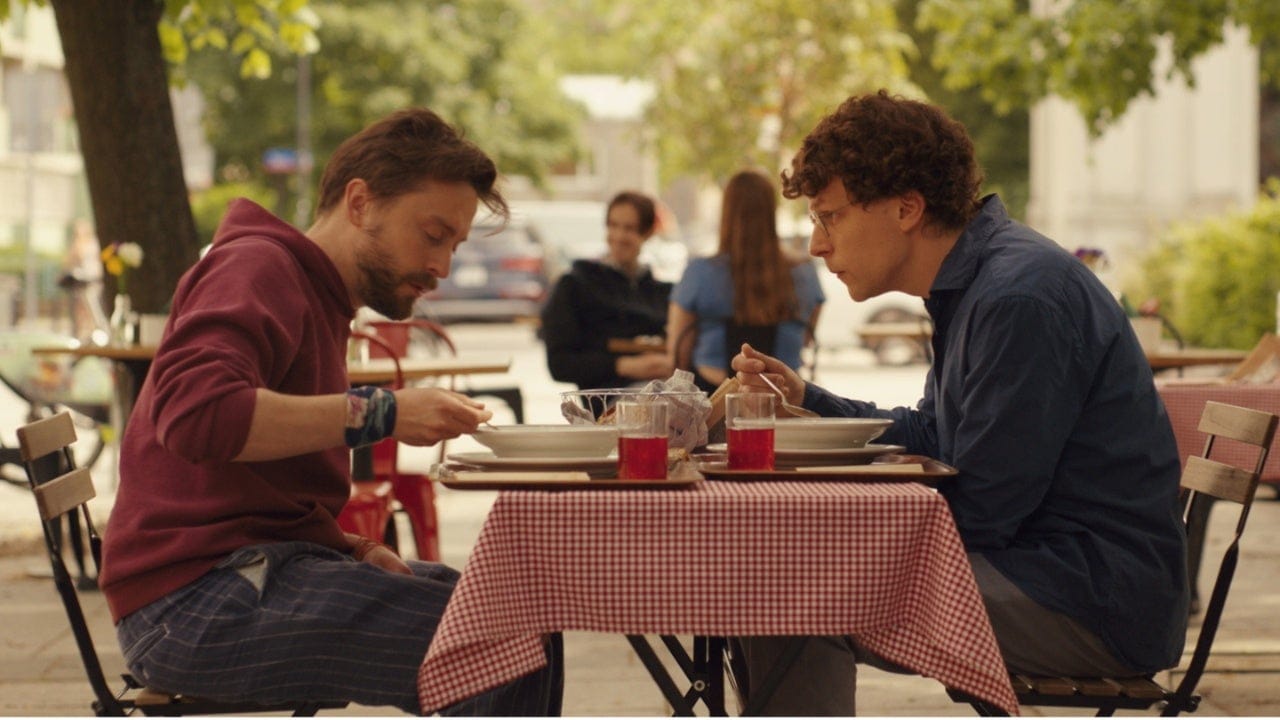
A Real Pain Review
Confronting generational trauma seems to be Hollywood’s new go-to genre when they aren’t making sequels or big action blockbusters. Each one tries to approach the sensitive subject through a unique lens and the results vary from middling to powerful. That being said, I was cautiously optimistic for Jesse Eisenberg’s second outing as a director. Written and directed by Eisenberg, A Real Pain tackles a lot of complexities that all feed into the generational trauma. Two polar opposite cousins must reunite to honor their late grandmother and face their family’s past that includes her surviving the Holocaust. It’s certainly not light material, but Eisenberg handles it with a deft hand as well as care for the characters and the real life people who will relate to their struggles.
Equally funny and emotional, A Real Pain tells a story about navigating familial relationships and how facing deeply rooted pain can be both traumatic and freeing. It is a dramedy. A buddy road-trip film that starts off funny before taking a turn onto a more sobering ground, making for a rocky but heartwarming ride. It takes a slightly different spin on the straight man/funny man routine, with Eisenberg fully embracing the former and Kieran Culkin becoming instantly memorable as the latter. These two play well off each other, with a familiarity that makes it believable these two grew up together, which makes the highs and lows of their trip all the more poignant.
Cousins David (Eisenberg) and Benji (Culkin) find themselves reunited after the death of their grandmother. In her will, she left them money to visit Poland, to discover more about her life there during and after the Holocaust. These two couldn’t be any more different. David is a straitlaced, albeit high-strung, successful man with a wife and child. He isn’t the life of the party but he is dependable, organized, and definitely the “parent” in any given group dynamic. Benji on the other hand is a free-spirited, fun, likable guy who seems to make friends wherever he goes. But as with a lot of outwardly comedic people, his laughter hides a darkness. Everything comes to a head when the two come face-to-face with their family’s history during a Holocaust remembrance tour.